Best Conditions for Paddleboarding
Finding ideal paddleboarding conditions has gotten complicated with all the generic advice flying around. As someone who has paddled in everything from glass-calm mornings to questionable afternoons that humbled me, I learned everything there is to know about reading conditions. Today, I will share it all with you.
Why Conditions Matter So Much
That’s what makes understanding weather endearing to us dedicated paddlers — the same spot can be paradise one morning and miserable the next, and learning to predict this transforms your experience.
Probably should have led with this section, honestly. Beginners need calm water while advanced paddlers might actively seek waves or wind for downwind runs. But everyone benefits from matching their skill level to conditions rather than hoping it works out.
Wind and Water Reading
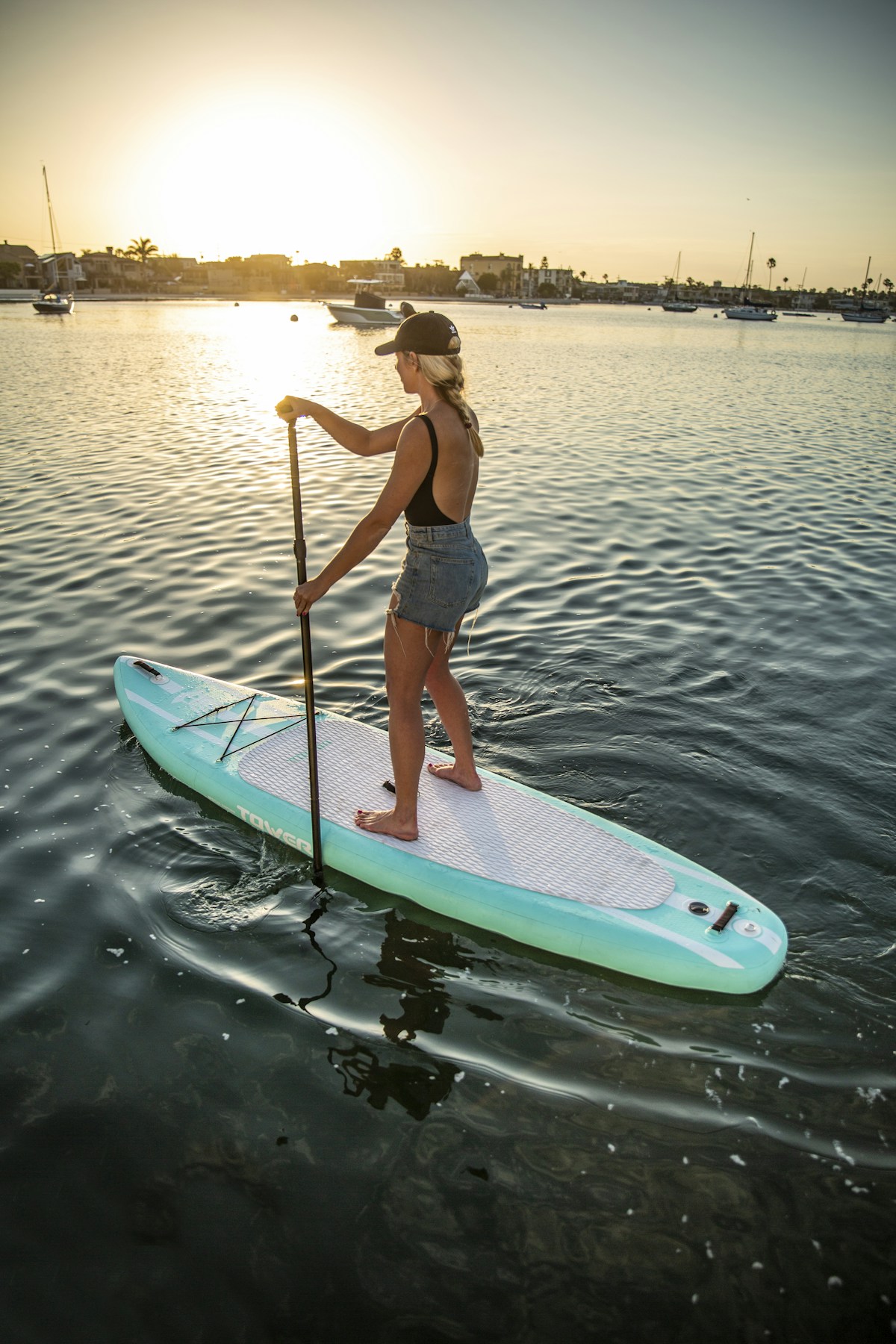
Calm mornings often offer the best conditions across all locations — this is the closest thing to a universal truth in paddleboarding. Wind under 10 mph suits most skill levels comfortably. Once you see chop building or whitecaps forming, conditions have become challenging even for experienced paddlers. Tide changes create currents in coastal areas that can help or hurt your paddle depending on direction.
I check multiple weather apps before every session. Understanding that afternoon winds typically build (thermal effect) explains why serious paddlers chase dawn sessions.
Seasonal Considerations
Summer brings warm water and longer days but often more crowded conditions. Spring and fall offer fewer crowds and often more stable morning weather. Winter paddling requires wetsuits or drysuits depending on your location — this is non-negotiable. Water temperature matters far more than air temperature for safety calculations.
Location Selection Tips
Protected bays and lakes suit beginners perfectly — start here regardless of your fitness level. Rivers require current awareness and safety skills that take time to develop. Ocean paddling demands experience with tides, swells, and rescue scenarios. Start simple, build skills progressively, and expand your range as competence grows.