SUP Safety Basics Every Paddler Needs
Paddleboard safety has gotten complicated with all the conflicting information flying around. As someone who has experienced my share of close calls and learned from experienced paddlers over the years, I learned everything there is to know about staying safe on the water. Today, I will share it all with you.
Why Safety Deserves Your Attention
That’s what makes proper safety awareness endearing to us serious paddlers — understanding risks means you paddle more confidently and can push your skills safely over time.
Probably should have led with this section, honestly. Stand-up paddleboarding is genuinely safe when you follow basic precautions. Most problems come from either overconfidence or underpreparation. Understanding weather, water conditions, and your own limits prevents the vast majority of issues.
Weather Awareness That Saves Lives
Check wind forecasts before every paddle — this is non-negotiable. Offshore winds push you away from shore and are especially dangerous for beginners who may not have the fitness or technique to fight back. Afternoon thunderstorms are common in summer across much of the country; watching the sky is part of the sport. Cold water requires appropriate exposure protection regardless of how warm the air feels.
Required Safety Gear
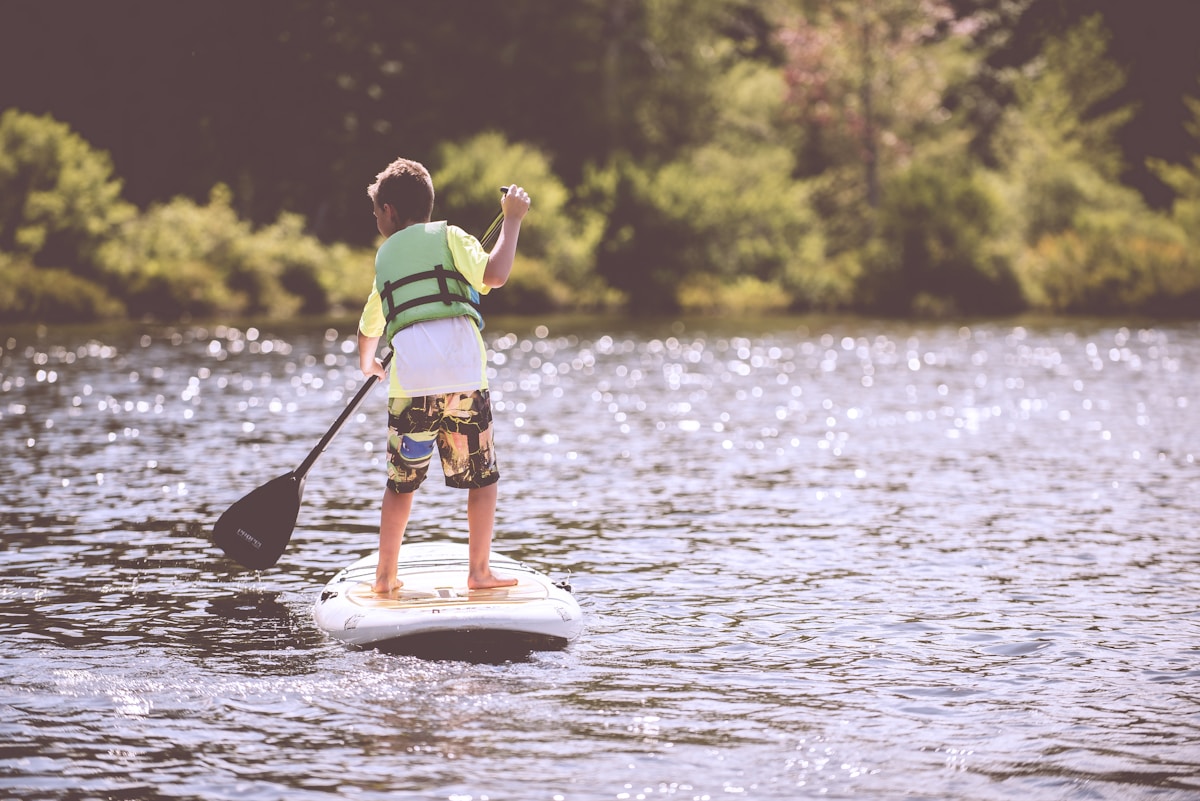
The Coast Guard classifies SUPs as vessels, meaning PFDs are legally required in most jurisdictions. Leashes prevent separation from your board — your board is your flotation device and losing it in deep water is serious. Whistles signal for help and are required in many areas. In low light conditions, navigation lights become necessary. Always check local regulations for specific requirements in your paddling area.
Know Your Limits
Start in calm, protected waters regardless of your fitness background. Build paddling-specific skills before attempting open water or surf conditions. Fatigue impairs judgment — turn back before you’re tired, not after. Paddle with others when possible, especially in remote areas or challenging conditions. There’s no shame in sitting out a session when conditions exceed your skill level.




Stay in the loop
Get the latest wildlife research and conservation news delivered to your inbox.