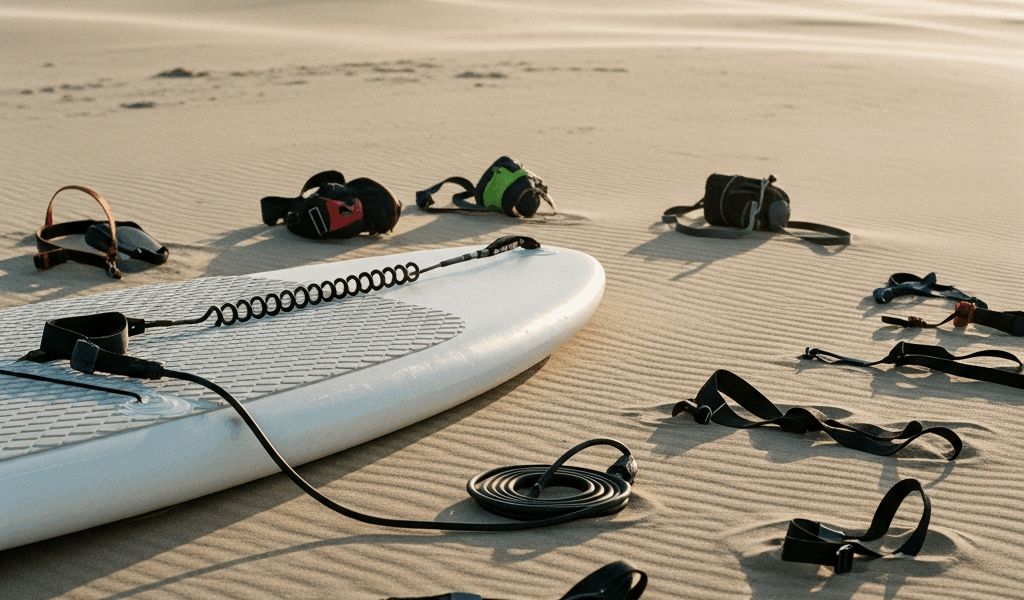
Why Wind Pushes You Off Course on a Paddle Board
Paddle boarding in wind has gotten complicated with all the conflicting advice flying around. Drop your weight back. No, lean forward. Get a bigger fin. No, get a smaller one. I’ve paddled through enough gusty mornings on my local reservoir to cut through most of that noise — and today, I’ll share everything I’ve learned with you.
But what is actually happening when your board drifts? In essence, it’s two physics problems hitting you simultaneously. But it’s much more than that. Your body and board are acting as a sail — sometimes a surprisingly large one. Stand upright on an 11-foot board and you’re offering the wind a wall. At the same time, your fin isn’t holding a tracking line worth mentioning. Too shallow, too loose, wrong size — any of those and your tail skids sideways instead of biting. Most beginners blame their paddling strength. Almost always, it’s one of these two things. Usually both.
Check Your Stance and Body Position First
Probably should have opened with this section, honestly. It solves the problem for roughly 60 percent of people who post about wind drift in SUP forums.
I learned all of this the hard way — second time out, fighting a crosswind on my iRocker Cruiser while some guy on a rigid 10-footer paddled straight as a laser beam three feet away. I was grinding. He was gliding. Same wind. The difference wasn’t fitness.
It was his stance.
Feet centered on the board. Shoulder-width apart. Not splayed. Not shuffled back toward the tail. Center. Shoulder-width. That’s the foundation everything else builds on. From there, lean maybe 5 to 10 degrees into the wind — not dramatically, just enough to stop your torso from acting like a highway billboard. Meet the wind instead of giving it a target.
Then check your blade depth. Half-submerged paddle strokes are mostly wasted motion. Push the blade fully into the water, lock your core, and drive from your torso. Your arms are just the connection. Full submersion, every single stroke. You’ll feel the difference inside the first five paddle pulls.
Adjust Your Paddle Stroke for Windy Conditions
Once your stance is dialed, technique becomes the next variable. Symmetrical strokes — same number left and right — don’t hold a line in wind. The math just doesn’t work out.
Wind pushing you left? Two strokes on the left side for every one on the right until you stabilize. That’s a forward stroke bias. You’re not muscling against the wind; you’re steering around its effect. Different thing entirely.
Short, quick strokes beat long sweep strokes in chop. Always. Faster cadence means faster corrections — and when a gust hits, you want correction options available immediately, not halfway through a long, sweeping pull. Long strokes give the wind more uncontested time between your power phases. Not ideal.
When things get genuinely gnarly — whitecaps, visible gusts rolling across the surface, serious chop — a low brace changes everything. Drop your paddle blade flat against the water, parallel to the board, lean slightly away from the wind, and use it as an outrigger. It’s not elegant. That’s what makes it endearing to experienced paddlers who’ve watched beginners head straight for shore because they didn’t know this move existed.
Fix Your Fin Setup to Hold a Straight Line
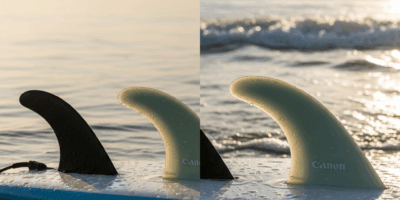
A loose fin is basically a drift generator. Before any windy session, grip the fin base and try to wiggle it. Zero movement is what you want. Even 2 millimeters of flex or rotation creates tracking problems that wind will find and exploit without hesitation. Tighten the box screw. Every time.
Size matters too — probably more than most beginners realize. Standard center fins work fine on glassy water. Windy days are different. If your board shipped with a 7-inch fin, try an 8 or 8.5-inch on rough days. The extra surface area helps the tail hold a line instead of skidding sideways. Inflatable SUPs especially need this — their soft decks flex in ways rigid boards don’t, which makes fin control sloppier right out of the box.
Here’s something I didn’t figure out until my second season: thruster setups — three fins — are fantastic for surf carving. Terrible for flatwater wind. A single center fin holds a straight line dramatically better. If your board has a thruster box and you’re paddling in regular wind, pull the side fins and run center-only. Simple swap, noticeable difference.
Inflatable boards with shallow fin boxes — anything rated at 5 inches or less in your manual — are especially vulnerable. The fin can’t dig deep enough to anchor the tail properly. You may need a deeper aftermarket fin, or you may need to accept that your specific board performs better on calmer days. Don’t make my mistake of spending months blaming your technique when the hardware was the actual limiting factor.
When to Deflate Your Board or Wait Out the Wind
Some conditions are simply above your board’s design limits. Or yours. That’s the honest conversation — and nobody really wants to have it, but here we are.
Sustained winds above 15 mph are genuinely dangerous for beginners on inflatables. Not conservative-dangerous. Actually dangerous. I’m apparently someone who learned this by pushing too far on a reservoir in Colorado, and knowing your personal ceiling works for me while ignoring it never does. Work up methodically — 8 mph sessions, then 10, then 12. Your body will tell you when you’ve hit your current limit.
Caught in unexpected wind? Two real options. Find a sheltered shoreline, anchor up — a proper anchor, not a rock — and wait it out. Or, if conditions are marginal but manageable, zigzag upwind at a shallow angle instead of fighting straight into it. Less resistance, less exhaustion, better odds.
Most important thing: leave the water while you still feel strong. Paddling back to shore in high wind is significantly harder than paddling out — energy goes fast and fatigue makes decisions worse. Ego doesn’t keep anyone safe. Judgment does.
The genuinely encouraging part? Wind management improves fast. Three or four sessions with proper stance, adjusted strokes, and the right fin setup and you’ll notice wind affecting you dramatically less. The board stops blowing away. It starts feeling locked to your intended line. That shift — when it happens — is one of the better feelings in the sport.

Stay in the loop
Get the latest paddleboard spots updates delivered to your inbox.